Can You See a Specialist Without Insurance A Complete Guide to Affordable Care
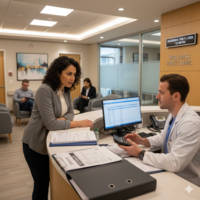
her you’re dealing with a chronic condition, a sudden health concern, or a referral from a general doctor, this guide will show you how to see a specialist without insurance, where to look for affordable options, and how to reduce medical expenses significantly.
Understanding What a Specialist Does
A medical specialist is a doctor with advanced training in a specific field of medicine. Unlike primary care physicians, specialists focus on diagnosing and treating particular health issues.
Common Types of Specialists
-
Cardiologists (heart conditions)
-
Dermatologists (skin problems)
-
Neurologists (brain and nerves)
-
Orthopedic surgeons (bones and joints)
-
Endocrinologists (hormonal disorders)
-
Gastroenterologists (digestive system)
-
Psychiatrists (mental health)
Seeing a specialist often requires referrals, tests, and follow-up visits, which can add up quickly without insurance. But that doesn’t mean it’s out of reach.
Can You Legally See a Specialist Without Insurance?
Yes, you absolutely can. In the United States and many other countries, health insurance is not a requirement to receive medical care. You can book an appointment directly with a specialist as a self-paying (cash-pay) patient.
However, specialists may require:
-
Upfront payment
-
Medical history records
-
Referral from a primary care doctor (in some cases)
How Much Does It Cost to See a Specialist Without Insurance?
The cost varies widely depending on the specialty, location, and tests required.
Average Specialist Visit Costs (Without Insurance)
| Specialist Type | Average Visit Cost |
|---|---|
| Dermatologist | $150 – $400 |
| Cardiologist | $250 – $600 |
| Orthopedic Doctor | $200 – $500 |
| Psychiatrist | $100 – $300 |
| Neurologist | $300 – $700 |
Additional tests like MRIs, blood work, or X-rays can add hundreds or even thousands of dollars.
Ways to See a Specialist Without Insurance at a Lower Cost
The key is knowing where to look and how to negotiate.
1. Ask for the Self-Pay or Cash Discount
Many specialists offer 30% to 60% discounts for uninsured patients who pay upfront.
Tip: Always ask:
“What is the self-pay rate if I pay in cash today?”
2. Use Community Health Clinics
Federally Qualified Health Centers (FQHCs) and community clinics offer sliding-scale fees based on income. They can often refer you to specialists at reduced rates.
3. Visit Teaching Hospitals and Medical Schools
Medical schools and teaching hospitals provide specialist care at lower costs because residents and fellows participate in treatment under supervision.
4. Telehealth Specialist Consultations
Telemedicine platforms now offer access to specialists at a fraction of in-person costs.
-
Online dermatology consult: $50–$100
-
Online mental health specialist: $60–$150
-
Virtual cardiology consult: $80–$200
5. Negotiate a Payment Plan
Most specialist offices allow monthly payment plans with little to no interest.
6. Use Prescription and Lab Discount Programs
Services like GoodRx and lab discount programs reduce medication and testing costs significantly.
Do You Need a Referral to See a Specialist Without Insurance?
Not always.
Without insurance restrictions, you can often contact a specialist directly. However, some specialists prefer referrals to understand your case better.
What If You Need Tests or Imaging?
Imaging centers and labs offer cash-pay rates much lower than hospital pricing.
| Test Type | Hospital Price | Cash Imaging Center |
|---|---|---|
| MRI | $1,500 | $400 – $700 |
| X-ray | $300 | $50 – $150 |
| Blood Work | $400 | $50 – $200 |
Search for independent diagnostic labs in your area.
Government and Nonprofit Programs That Help
Several programs assist uninsured individuals in getting specialist care.
Options Include:
-
Medicaid (if you qualify)
-
State health programs
-
Charity care programs at hospitals
-
Nonprofit disease-specific foundations
When Is Seeing a Specialist Without Insurance Worth It?
You should prioritize specialist care if you have:
-
Persistent unexplained symptoms
-
Chronic conditions
-
Severe pain or mobility issues
-
Mental health crises
-
Heart, brain, or hormonal concerns
Delaying care can result in higher costs later.
How to Prepare Before Visiting a Specialist
Being prepared reduces unnecessary repeat visits and costs.
Bring:
-
Medical records
-
List of medications
-
Symptom history
-
Previous test results
Questions to Ask the Specialist About Costs
-
What is the total expected cost?
-
Are there cheaper test alternatives?
-
Can I avoid hospital-based labs?
-
Do you offer payment plans?
-
What follow-up costs should I expect?
Alternatives If Specialist Care Is Still Too Expensive
-
Urgent care centers for minor issues
-
Primary care doctors with broad expertise
-
Online symptom checkers and triage services
-
Patient assistance programs
Risks of Avoiding Specialist Care
Ignoring symptoms due to cost concerns can lead to:
-
Advanced disease stages
-
Emergency room visits
-
Permanent damage
-
Higher long-term expenses
Real-Life Example
A patient needing a dermatology consult for a suspicious mole paid:
-
$90 for online consult
-
$60 for lab biopsy at independent lab
-
Total: $150 (instead of $800+ hospital bill)
Final Thoughts: Yes, You Can See a Specialist Without Insurance
Not having insurance does not mean you are locked out of specialized healthcare. By using cash discounts, community clinics, telehealth, and smart negotiation, you can receive quality care affordably.
The key is to ask questions, compare prices, and explore all available options.
FAQs
Can I go directly to a specialist without insurance?
Yes, many specialists accept self-pay patients without referrals.
Is it cheaper to see a specialist online?
Often yes, especially for dermatology and mental health.
Can hospitals refuse to treat me if I don’t have insurance?
No, especially in emergencies.
How do I find low-cost specialists near me?
Search for community clinics, teaching hospitals, and telehealth platforms.
What is the cheapest way to get tests done?
Use independent imaging centers and lab discount programs.